Tan Ngo

Tan Ngo

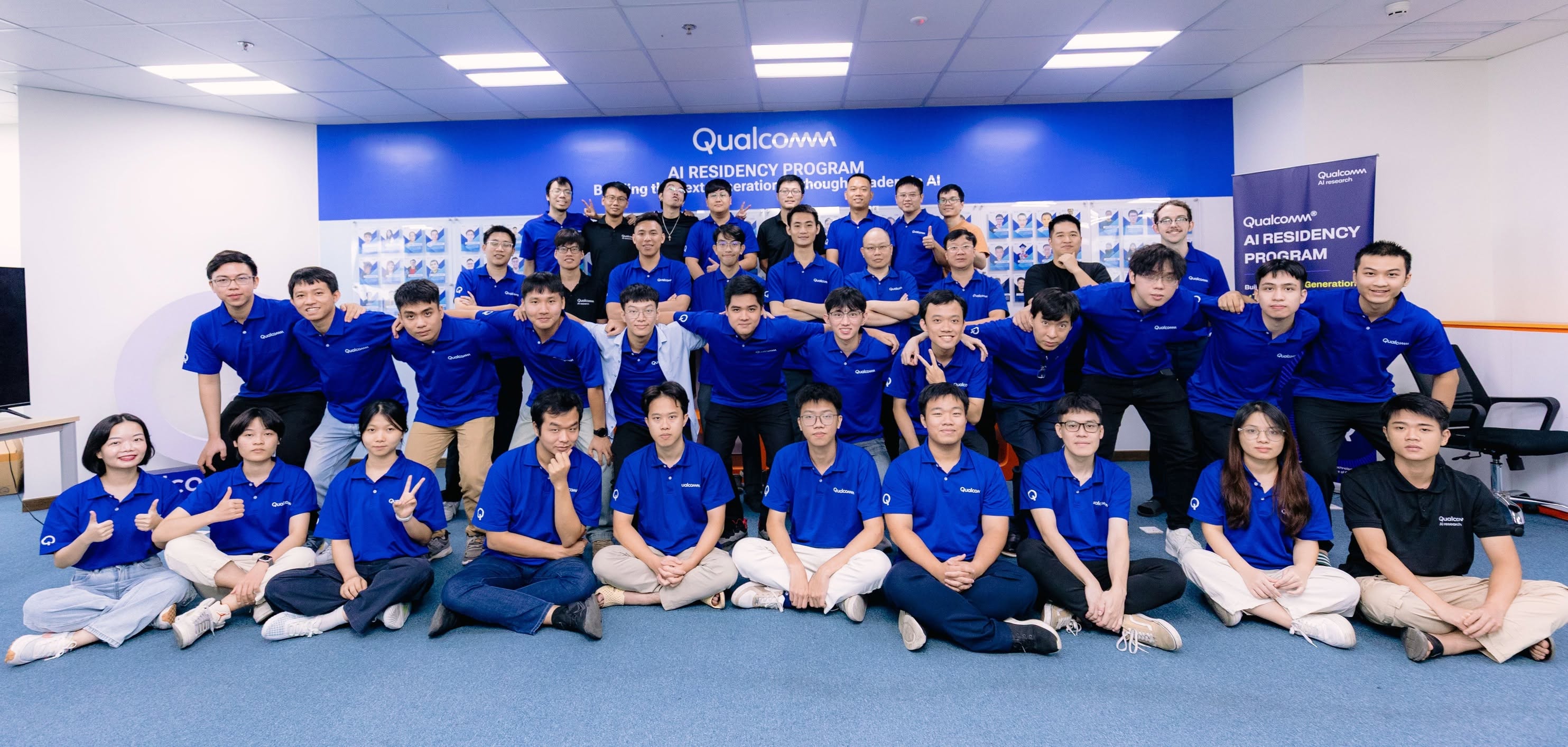
AI Research Resident at Qualcomm AI Research
B.Sc. in Computer Science, Hanoi University of Science and Technology

Email · GitHub · LinkedIn · CV

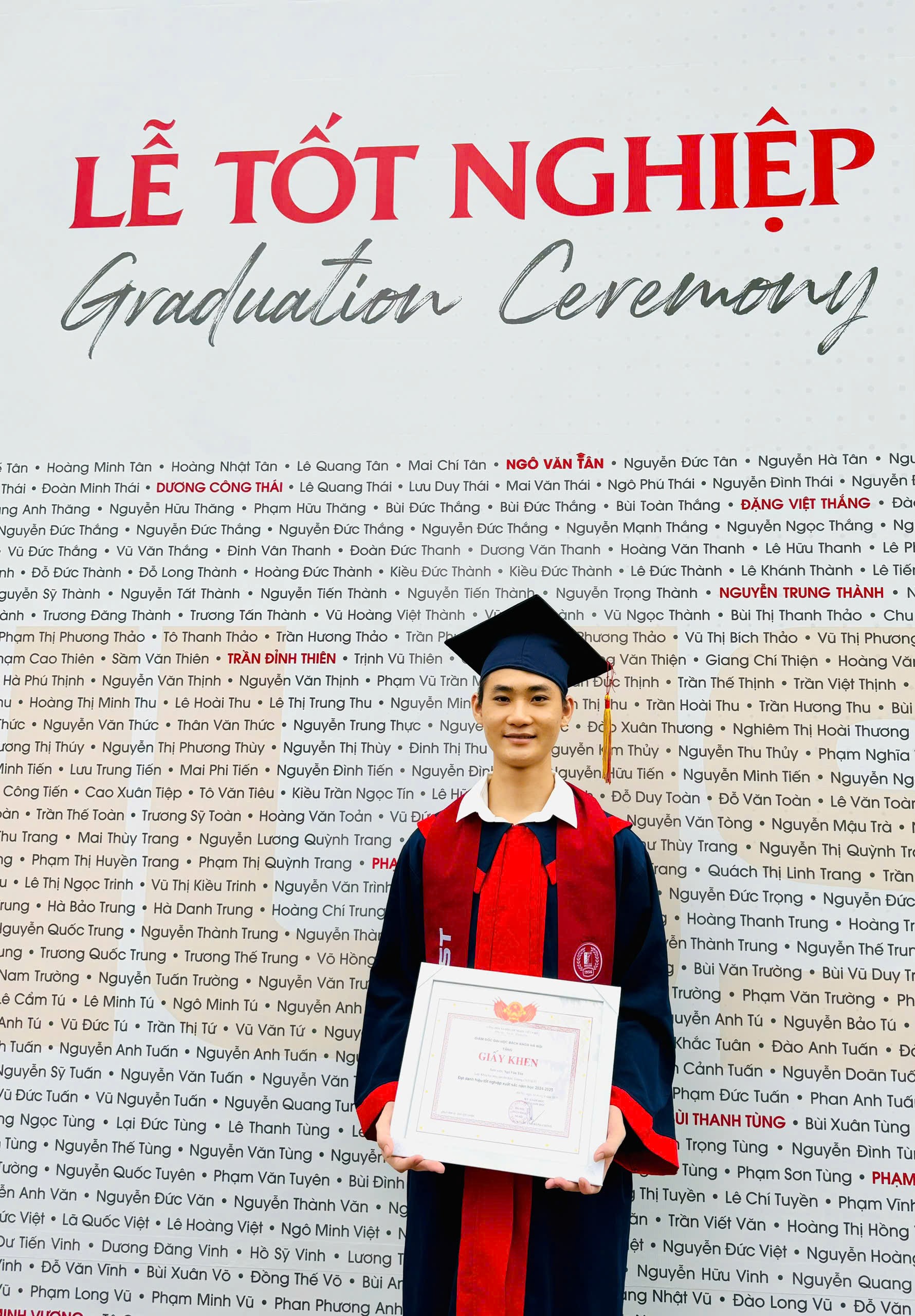
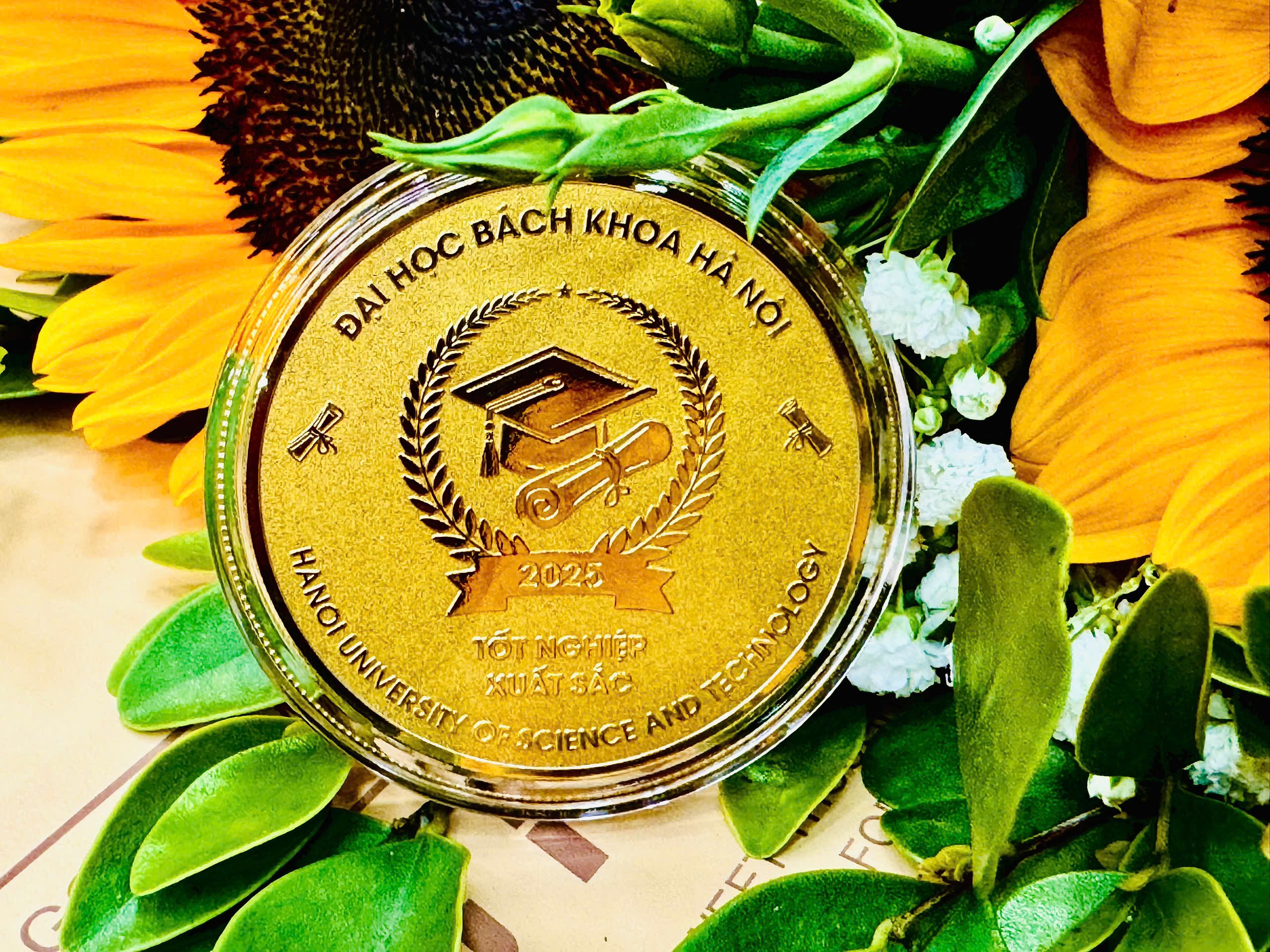
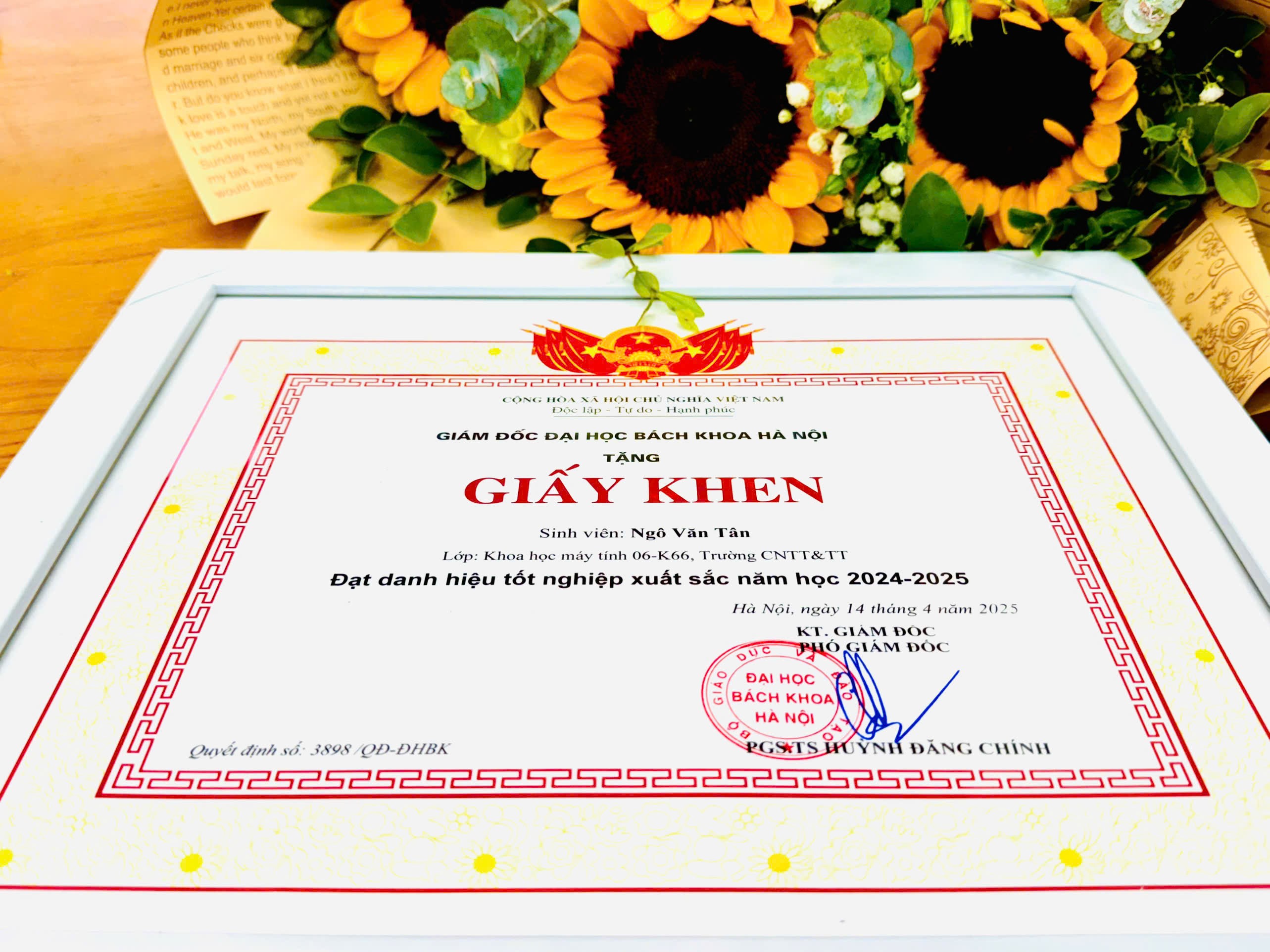
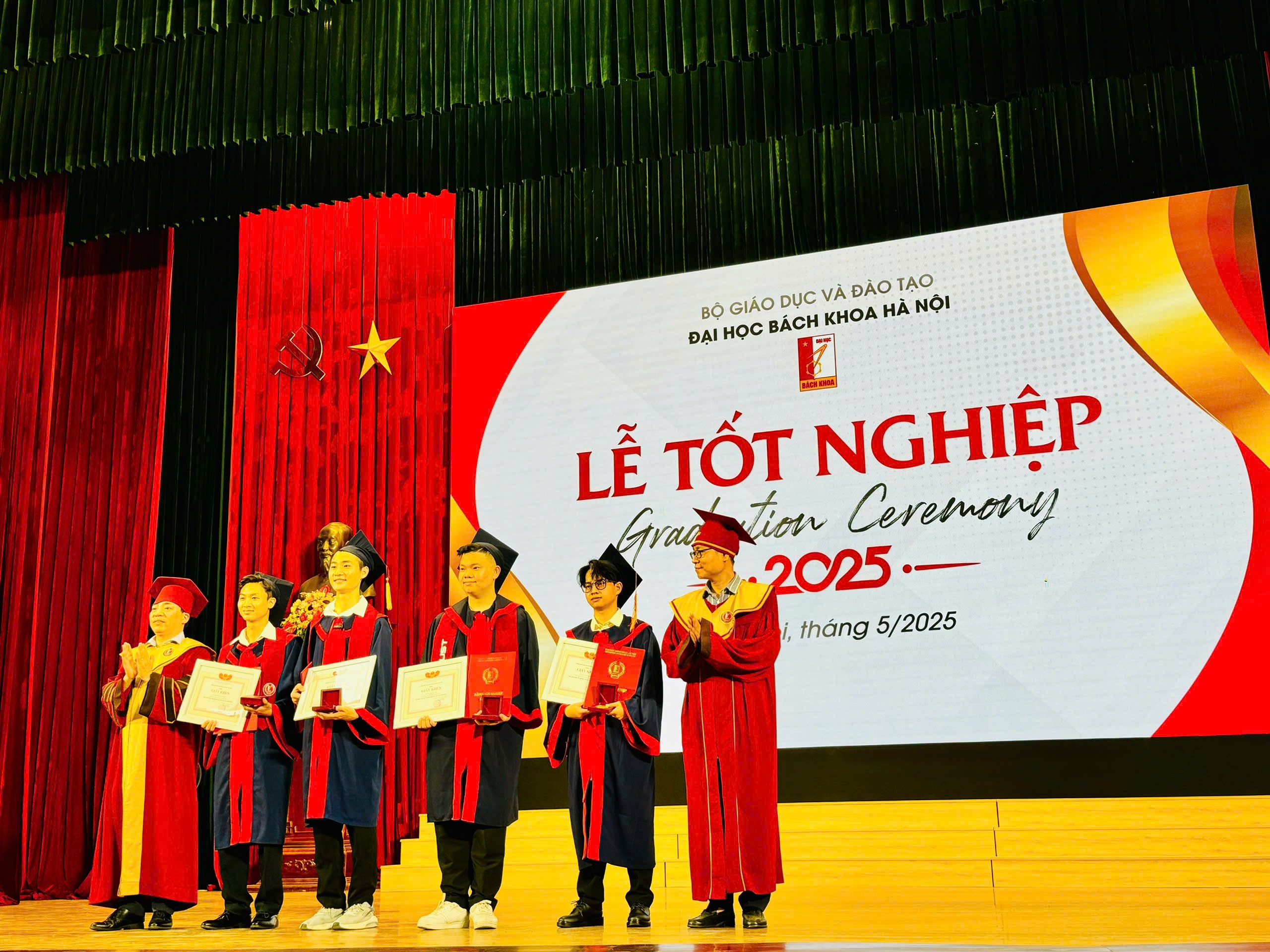
I am an AI Research Resident at Qualcomm AI Research, working on 2D image, 3D content, and video generation — with an emphasis on distillation and quantization that make modern generative models deployable on edge devices. I graduated early from HUST in 3.5 years with a B.Sc. in Computer Science (GPA 3.69 / 4.0), finishing among the Top 9 graduating students and delivering the class graduation speech.

My research sits at the boundary between model design and systems: I want to understand AI end-to-end, from the mathematics of learning dynamics to the GPU architectures that make these models run at scale. I am currently applying to PhD programs to pursue this direction.

Generative models Video generation Diffusion distillation Multi-view / 3D Efficient inference Distributed training

News

Publications

3D-Grounded
Noise for Video
Track the Noise, Move the World: 3D-Grounded Motion-Consistent Noise for Controllable Video Generation
Long Van Vu*, Tan Van Ngo*, Animesh Karnewar, Amir Habibian, Binh-Son Hua, Hung H. Bui, Minh Hoai, Phong Ha Nguyen
Under review at NeurIPS 2026 In Submission
*Equal contribution

Research

Unifying Camera and Motion Control for Video Generation

Qualcomm AI Research

  • Jointly controlling camera movement and object motion in generative video models.
  • Using depth estimation to inject 3D awareness, going beyond 2D-only conditioning.
  • Scaling training, inference, and evaluation across multi-node GPU systems with up to 300 GPUs.

Few-Step Text-to-Multiview Diffusion Model

Qualcomm AI Research

  • Distilled a few-step MVDream-style model for higher-resolution multi-view generation.
  • Improved multi-view quality via training, data refinement, and model optimization.
  • Quantized the few-step model and supported deployment on Samsung Galaxy S24 phones.

Continual Learning for Object Detection with Generative Data Replay

  • Applied continual learning to object detection to reduce catastrophic forgetting across sequential tasks.
  • Used diffusion-generated replay data to improve knowledge retention and training stability.

3D Scene Reconstruction with Neural Radiance Fields for 5G Antenna Inspection

Viettel Digital Talent · Viettel Group

  • Reconstructed 5G BTS station scenes with NeRF and used the reconstructions to detect broadcast antenna tilt, reducing manual inspection cost.

Vision Transformers for Medical Endoscopy Segmentation

Computer Vision Lab, BKAI, HUST

  • Vision Transformer methods for endoscopy image segmentation.
  • Used Masked Autoencoder (MAE) pretraining to improve segmentation classification.

Experience

AI Research Resident — Qualcomm

  • Research on 2D image, 3D content, and video generation.
  • Distillation and quantization for efficient on-device inference (e.g., Samsung phones).
  • Developing video data generation methods for robot training.

Generative AI Engineer — ZenAI

  • Optimized LLM inference and serving with vLLM and SGLang.
  • Accelerated inference via quantization, KV-cache optimization, and multi-GPU parallelism.
  • Reduced CPU–GPU communication overhead to improve serving throughput.

Viettel Digital Talent — Viettel Group

  • Intensive training in data science, machine learning, and deep learning.
  • NeRF-based 3D reconstruction of 5G BTS scenes for antenna inspection.

Undergraduate Research Assistant — Computer Vision Lab, BKAI, HUST

  • Vision Transformer methods for medical endoscopy image segmentation.
  • MAE pretraining to improve segmentation classification.

Education

Hanoi University of Science and Technology (HUST)

B.Sc. in Computer Science · Hanoi, Vietnam

  • GPA 3.69 / 4.0 — graduated early in 3.5 years.
  • Top 9 Excellent Students of the graduating class.
  • Delivered the graduation speech on behalf of all graduating students.

Lam Son High School for the Gifted

Mathematics Track · Thanh Hoa, Vietnam

Honors & Awards

Skills

Languages: Python, C / C++

Frameworks: PyTorch, distributed training and inference, multi-GPU / multi-node systems

Tools: Git, Linux, Docker, SLURM

Libraries: Diffusers, OpenCV, Pandas, NumPy, Matplotlib, scikit-learn